Goodnight From a Stranger Who Isn't: Inside the Volunteer Calls Tucking America's Kids In
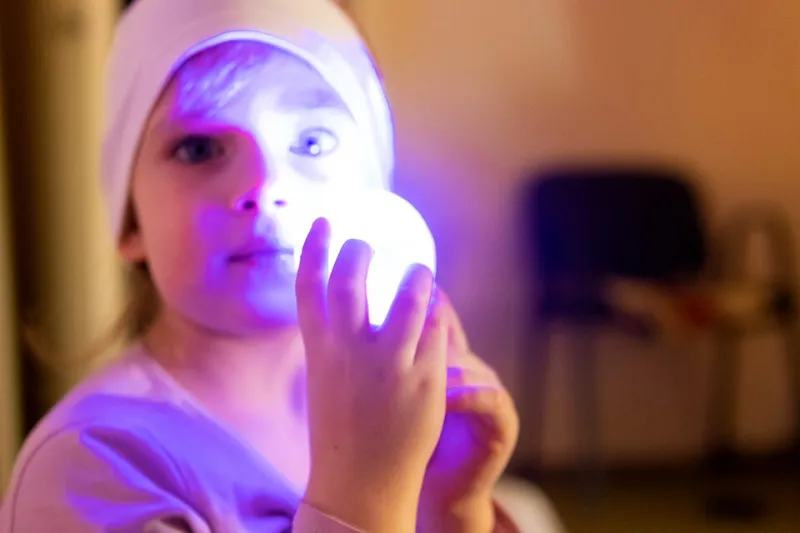
Photo: Vyacheslav Argenberg, CC BY 4.0, via Wikimedia Commons
Bedtime has a way of exposing what a family is missing. The routine that works effortlessly on an ordinary Tuesday—bath, pajamas, two books, one sip of water, lights out—can unravel completely when a parent is deployed overseas, recovering in a hospital bed, or pulling the third of five night shifts that month.
In pockets around the country, an unlikely fix is emerging: trained volunteers who record bedtime stories or place short goodnight calls so a child still hears a warm, familiar voice at the end of the day. Some organizers call it a 'story stork' service. Families just call it a lifesaver.
Why the Voice at Bedtime Matters So Much
Pediatric sleep researchers have long emphasized that consistency—not perfection—is what makes bedtime routines work. A 2021 review in Sleep Medicine found that regular bedtime routines were associated with children falling asleep faster, waking less during the night, and even showing better emotional regulation the next day.
But consistency is exactly what crisis disrupts. When a parent leaves for military deployment, when a sibling's NICU stay upends the household, when a nurse works overnights to keep the family insured, the routine is the first casualty. Children often respond with delayed sleep, bedtime resistance, and night wakings—which then exhausts the parent who is already stretched thin.
What volunteers offer isn't a replacement for a parent. It's a bridge. A recorded story from a grandparent's friend, a two-minute goodnight call from a retired teacher, a familiar voice reading Where the Wild Things Are for the fortieth time—these small rituals preserve the rhythm of the evening when everything else has changed.
Who's Picking Up the Phone
The programs taking shape across the US tend to share a few traits, even though they grew up independently.
Recorded story libraries. Several small nonprofits and library systems now let deployed or hospitalized parents request a recording. A volunteer—often a college student studying education or theater—reads a book the family has chosen, adds a personal line ('Sweet dreams, Maya—your mom says hi'), and sends the audio file to the caregiver at home.
Live goodnight calls. Some programs serving families with a hospitalized parent pair trained volunteers with children for brief, scheduled calls. The scripts are simple: a greeting, a short story or riddle, a goodnight. Background checks and training are standard, and parents always stay on the line or in the room.
Shift-worker cooperatives. In a few towns, informal networks of retirees and remote workers cover the 'bedtime gap' for neighbors working second shifts—an arrangement that looks a lot like the co-ops that made childcare affordable in the 1970s, updated for the gig economy.
The Volunteers Come From Everywhere
One of the quiet surprises of these programs is who shows up. Retired teachers and librarians, naturally. But also college students who miss younger siblings, night-owl nurses who know exactly what a 9 p.m. call means to a family, and veterans who remember what it felt like to be deployed with small kids at home.
For the volunteers, the payoff is real too. Loneliness among older Americans is well documented, and a ten-minute nightly reading gives many of them a purpose—and a relationship—that outlasts the story.
Want to Start One in Your Town?
The model is deliberately low-tech, which is part of its appeal. Communities that have launched programs suggest starting here:
- Partner with a trusted anchor. A public library, school district, or family resource center can handle background checks, referrals, and liability questions. Don't go it alone.
- Define the families you serve. Deployment, parental hospitalization, and medical crises are the most common entry points. Partnering with military family readiness groups or hospital social workers gives you a steady referral pipeline.
- Keep the calls short and scripted. Five to ten minutes, same time each night. The structure is the service.
- Put parents in control. Families choose the books, approve the volunteers, and can pause the arrangement anytime. This is support, not substitution.
- Train for the goodbye. The goal of most programs is to wind down as the family stabilizes. Volunteers should know from day one that they're building a bridge the family will eventually cross on its own.
A Small Ritual With a Big Shadow
No one is suggesting a phone call can stand in for a parent. But the research on bedtime routines—and the testimony of families who've used these services—points to something simple: children sleep better, and feel safer, when the end of the day sounds the same as it always did.
In a country where millions of parents work hours that don't align with bedtime, and where crises strike without checking the family calendar, a volunteer with a book and a phone might be one of the most affordable pieces of children's welfare we have.
The village, it turns out, can dial in.