Pass the Rice, Learn the Lesson: 5 US Schools Bringing Japan's Student-Led Lunch Model to the Cafeteria
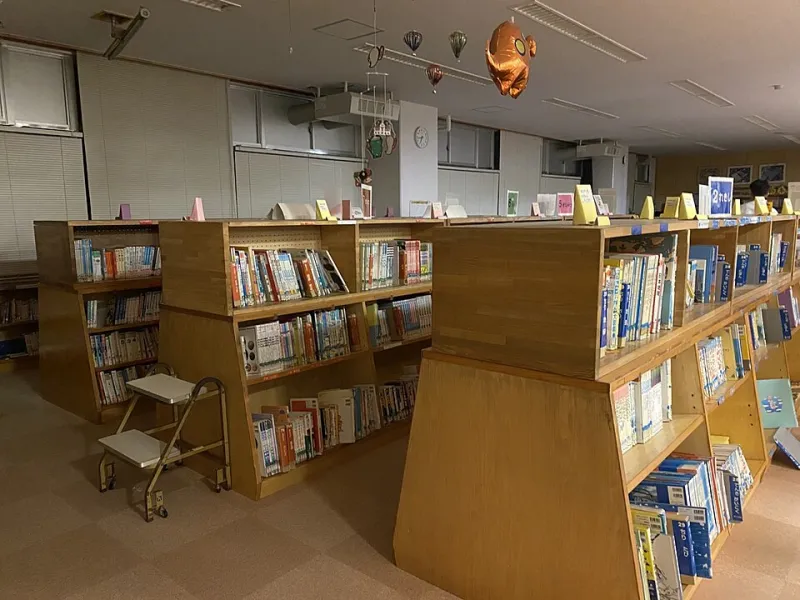
Photo: 佐波川2001, CC BY-SA 4.0, via Wikimedia Commons
There's a moment in every Japanese elementary school that would look almost unremarkable to the students — and genuinely strange to most American parents.
It's noon. A rotation of fifth-graders in white coats and masks wheel a cart of steaming trays into the classroom. Classmates line up, and the day's lunch servers portion out rice, soup, and vegetables while calling out today's menu: the carrots came from the farm two towns over; the soup is a regional recipe the class studied in social studies. When everyone is seated, they eat together — teachers included — and then, before the recess bell, the students wipe down their own desks.
This is kyushoku, Japan's school lunch program, and it's less a food service than a daily, 45-minute class in nutrition, gratitude, and community.
What Kyushoku Actually Looks Like
The system has a few signature features that set it apart from the typical American cafeteria line:
- Students serve each other. A rotating crew of kyushoku-toban (lunch duty students) wears serving gear, portions the food, and announces the menu to classmates. Everyone takes a turn.
- Menus are curriculum. A dish from Okinawa might accompany a geography unit; a barley rice day comes with a nutrition lesson. Teachers use lunch as a teaching tool, not a detour from teaching.
- Food is made fresh, often from local ingredients. School lunch centers and on-site kitchens prepare meals daily, and many schools source from nearby farms.
- Everyone eats the same thing. Teachers and students share the identical meal — which quietly builds accountability for quality.
- Gratitude is built in. Before eating, students say itadakimasu, thanking the farmers, cooks, and classmates who made the meal possible. Afterward, there's a formal thanks to the lunch staff.
The result, advocates argue, is that kids try foods they'd otherwise refuse, waste less, and — crucially — understand where food comes from and who makes it.
The American Contrast
None of this is a knock on American cafeteria workers, who do heroic work on tight budgets. But the structure they operate within is different in almost every way: students move through a line, choose among options, eat in a loud multi-purpose room, and often have little idea who cooked the food or where it grew. Lunch is logistics. In Japan, it's pedagogy.
The good news? A handful of US schools are proving the model can travel.
5 US Schools Piloting Student-Led Lunch
1. A rural Vermont elementary school's farm-to-table rotation. Tapping into Vermont's strong farm-to-school network, students in the upper grades help harvest from the school garden and serve younger classmates during a family-style lunch period — with the cook joining the room to talk about the day's ingredients.
2. A California school district's culinary classroom model. Several districts in the Bay Area have piloted family-style lunch in select elementary schools, where trained student servers portion shared platters at tables and practice menu announcements in both English and Spanish.
3. A Michigan school's "lunch leader" program. One elementary school rotates student servers who help deliver trays to classrooms and lead a pre-meal gratitude moment — a small ritual teachers credit with calmer, less wasteful lunches.
4. A New York City school's cafeteria redesign. Through the city's Office of Food and Environmental Policy, some schools have shifted to longer, less chaotic lunch periods where students take on host roles, and menus highlight the neighborhoods the ingredients came from.
5. A Colorado school district's scratch-cooking pilot. With central kitchens moving to scratch cooking, participating schools have brought student ambassadors into menu tasting panels — giving kids a voice in what gets served and a reason to care.
Program names and details vary by district and school year, so check with your local school's food services office to see what's active near you — or what's waiting for a champion.
How Parents, Donors, and Volunteers Can Help
The gap between the American cafeteria and kyushoku isn't mostly money — it's structure and staffing. That's where communities come in.
- Volunteer as a lunchroom presence. Many schools need adults simply to make a longer, calmer, family-style lunch period feasible. An hour a month matters.
- Fund the small stuff. Serving carts, family-style tableware, and garden beds are exactly the kind of modest line items a PTA fundraiser or local grant can cover.
- Advocate for the schedule. Twenty extra minutes of lunch is a scheduling decision, not a budget decision. Ask your principal what's possible.
- Connect the cafeteria to the classroom. Offer to coordinate a farm visit, a cooking demonstration, or a nutrition lesson that ties into what's being served.
Gratitude, Served Daily
The deepest lesson of kyushoku isn't nutritional — it's cultural. When children serve one another, thank the cooks by name, and eat the same meal as their teacher, lunch becomes practice for being a member of a community. That's a class every American school can teach, one tray at a time.