A Knock at the Door in the Sleep-Deprived Weeks: What Japan's Newborn Home Visits Could Offer American Families
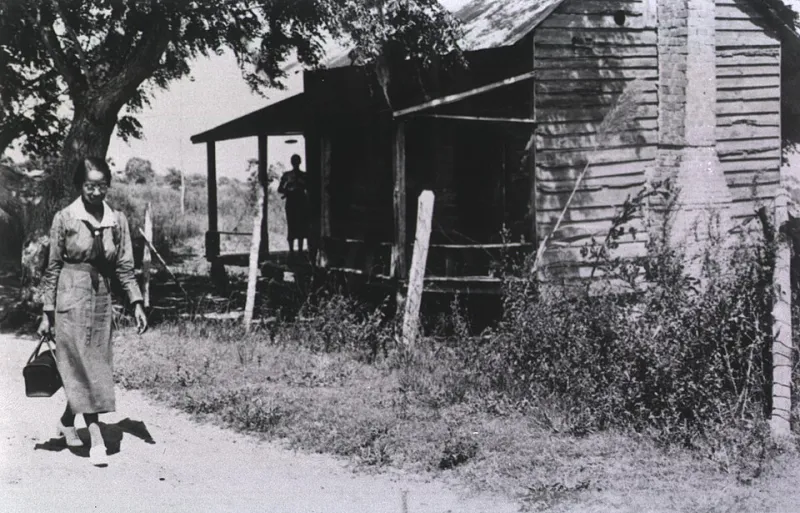
Photo: National Library of Medicine - History of Medicine, No restrictions, via Wikimedia Commons
Ask a new parent in Osaka what happens a few weeks after bringing their baby home, and they'll likely mention a knock on the door. Not a salesperson, not a bill collector — a public health nurse, sent by the city, with no agenda other than checking in. How is mom sleeping? Is the baby feeding? Does anyone need a hand?
In Japan, this is called a teikken (定期訪問), a routine health visit that reaches virtually every family with a newborn, regardless of income. It's one piece of a broader philosophy that the first 1,000 days of a child's life — roughly from conception to age two — deserve universal support, not just crisis response.
In the United States, most families get a two-day hospital discharge, a pediatrician appointment, and a hope for the best.
What a Teikken Visit Actually Looks Like
The Japanese system is refreshingly unglamorous. Around one to four months after birth, a municipal public health nurse or trained visitor stops by the family's home. The visit is free, expected, and routine — not a sign that something is wrong.
The nurse weighs the baby, watches a feeding, screens for postpartum mood disorders, and answers the questions parents are too exhausted to ask at a clinic. Just as important, the visit is a bridge: families who need more help get connected to it, and families who don't still walk away knowing their community noticed they exist.
Because the visits are universal, nobody feels singled out. A wealthy family in Tokyo and a family scraping by in a rural prefecture get the same knock on the door. That universality is the secret ingredient — it removes stigma and builds a shared norm that raising children is a public project, not a private struggle.
Why the US Doesn't Have This (Yet)
America does have home visiting. Programs like Nurse-Family Partnership pair nurses with first-time, low-income mothers and have strong evidence behind them. But they're means-tested, capacity-limited, and reach only a small fraction of eligible families — often with long waitlists.
The gap is structural. Public health in the US is funded patchwork-style, with responsibility scattered across counties, states, and nonprofits. There's no national expectation that every newborn's family gets a check-in, so there's no infrastructure to deliver one.
Meanwhile, the costs of that gap are familiar: missed postpartum depression, avoidable ER visits, parents isolated in apartments with no idea a lactation consultant exists three miles away.
American Communities Are Piloting the Idea
The encouraging news is that the concept is already taking root on US soil, adapted to local realities.
- Minnesota has expanded its Family Home Visiting program with state funding, moving toward broader voluntary access for new families.
- Philadelphia has championed universal-style outreach through its maternal health initiatives, treating home visiting as a public health baseline rather than a last resort.
- Doula and community health worker programs in cities from Detroit to San Antonio are filling the same role informally — trusted neighbors with training, showing up in the weeks when families are most fragile.
These efforts differ from Japan's in scale and funding, but they share the core insight: the cheapest, most humane time to support a family is before things go wrong.
A Roadmap for Advocates
For parents, donors, and volunteers who want to push this idea forward locally, the playbook looks something like this:
- Start with the data. County health departments already track birth outcomes and postpartum mood disorder rates. Frame a universal visit program as prevention, which is where budgets listen.
- Borrow the universality principle. Even a modest pilot — every family in one zip code gets offered a visit — demonstrates the stigma-free model better than another targeted program.
- Recruit trusted messengers. Japan uses public health nurses; American pilots often succeed faster with community health workers and doulas who share language and background with the families they serve.
- Pair visits with connection, not just checklists. The visit's real product is a relationship. Build in warm handoffs to playgroups, food resources, and pediatric care.
- Tell the stories. Policy follows narrative. A parent describing the nurse who noticed her postpartum depression at three weeks postpartum moves legislatures in a way statistics don't.
Every Baby, Noticed
The first weeks home with a newborn are beautiful and brutal, and in the US they're also largely invisible to anyone outside the front door. Japan's teikken visits offer a different assumption: that every new family deserves to be seen, asked about, and supported — not because they've failed, but because they've just done something remarkable.
That's an idea that translates across any border. And it might start with a single knock.