The Case for a Later Bell: How Japan Is Rethinking School Start Times (And How US Parents Can Too)

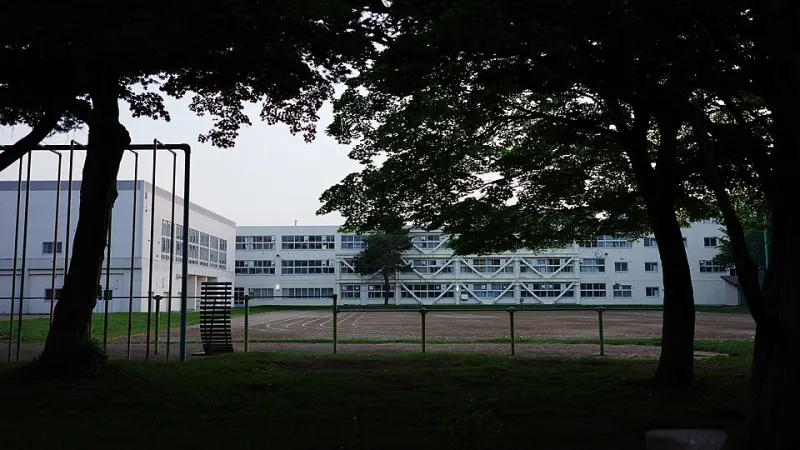
Photo: 国土地理院, CC BY 4.0, via Wikimedia Commons
Ask any parent of a teenager in the US what mornings look like, and you'll probably get a tired laugh. The 6 a.m. alarm, the half-eaten granola bar in the carpool line, the first-period class where a third of the kids are nodding off. It's a routine so familiar we've stopped questioning it.
In Japan, a growing number of educators and municipal officials have started questioning it — and their answers might be useful for American districts looking for a place to start.
Why the Early Bell Is a Biological Mismatch
The science here isn't new, but it's often ignored. During puberty, adolescent circadian rhythms shift later by one to two hours, meaning most teens genuinely can't fall asleep before 11 p.m. — no matter how strict the bedtime rules. When school starts at 7:30 a.m., the math simply doesn't work.
The American Academy of Pediatrics has recommended no middle or high school start before 8:30 a.m. since 2014, citing everything from higher car crash rates among sleep-deprived teen drivers to worse mental health outcomes. Yet the majority of US high schools still open their doors before 8:15.
What Japan Is Trying
Japan's approach has been less about a single dramatic policy change and more about a patchwork of experiments, often led by individual municipalities rather than the national ministry.
Several cities have piloted shifting junior high start times later by 30 to 60 minutes, tracking attendance, grades, and even bicycle accidents on the morning commute. Early results from these pilots — along with research from universities studying the shift — point to modest but real gains in alertness and attendance.
Just as interesting is what surrounds the academic day. Many Japanese schools build in structured downtime: the midday meal period, a short post-lunch break, and the end-of-day kaishuu — classroom cleaning time that doubles as a low-pressure transition out of learning mode. The rhythm of the day assumes children aren't machines. That assumption, more than any single policy, is what sleep researchers say American schools get wrong.
"We weren't trying to make school easier," one Tokyo-area junior high teacher explained in a local news interview about her city's pilot. "We were trying to make the hours we have actually count."
Voices From the Morning Commute
Parents involved in the pilots describe a familiar arc: skepticism first, then relief.
One mother of two in Saitama Prefecture told a regional paper that the later start ended the daily battle of dragging her seventh-grader out of bed — and, unexpectedly, improved the family's dinner conversations, since her son was no longer asleep on the couch by 8 p.m.
American parents who've lived through similar changes report the same. Districts like Seattle, which moved secondary school start times later in 2016, saw teachers report calmer first periods and saw students gain an average of 34 minutes of nightly sleep — no small thing when the alternative is chronic deficit.
A Roadmap for Bringing the Idea Home
If you're a parent reading this and thinking, our district will never go for it — that's exactly why a roadmap helps. Later start times fail when they're proposed as a vibe. They succeed when they're proposed as a plan.
1. Start with the data, not the anecdotes. Request your district's actual start times and bus schedules. Pair them with the AAP and CDC recommendations. School boards respond to evidence from their own state health department faster than to national op-eds.
2. Find the real obstacle. It's almost always transportation. Buses are the hidden constraint of American school scheduling, since elementary, middle, and high schools run on shared fleets. Come to your first board meeting with bus-cost scenarios, not just requests.
3. Recruit allies across constituencies. Pediatricians, athletic directors (injury rates drop with rested athletes), and police departments (fewer teen crash statistics) all make persuasive allies. A coalition reads differently than a bloc of helicopter parents.
4. Propose a pilot, not a permanent flip. A one-semester trial at a single middle school, with attendance and sleep-survey data collected throughout, gives hesitant board members a low-risk yes.
5. Plan for the downsides honestly. Later dismissal means later sports practices and shifted after-school jobs. Acknowledge the tradeoffs up front and you'll keep credibility when opponents raise them.
Small Hours, Big Returns
No one is arguing that a 9 a.m. bell is a magic fix for everything wrong with adolescent life. But the Japanese pilots — and the American districts that have made similar moves — suggest something quieter and more important: that school systems can be redesigned around how children actually work, rather than around bus routes and tradition.
That's a lesson worth losing a little sleep over.