Ten Minutes, No Meetings, No Guilt: The Micro-Volunteering Idea That's Rescuing Burned-Out School Parents
Photo: Chloé Parent, CC BY-SA 4.0, via Wikimedia Commons
For decades, the pitch to parents has been the same: join the committee, attend the monthly meeting, chair the fundraiser, show up at 10 a.m. on a Tuesday. And for decades, the answer from most working parents has been an apologetic no.
The result is a familiar scene in school districts across the country — the same six parents running every bake sale, book fair, and field trip until they burn out and vanish, while hundreds of other families feel quietly guilty for never raising their hands.
A small but growing number of schools are trying something radically simpler: asking for less.
The Math That Was Never Adding Up
Volunteer burnout isn't a character flaw. It's a scheduling problem. The average American public school parent works outside the home, commutes, and has roughly zero windows of free time between 9 and 3. Yet most school volunteering was designed around exactly that window — daytime shifts, in-person meetings, multi-month commitments.
Micro-volunteering flips the equation. Instead of asking, "Can you commit to the committee?" it asks, "Can you give us ten minutes, whenever you have them?"
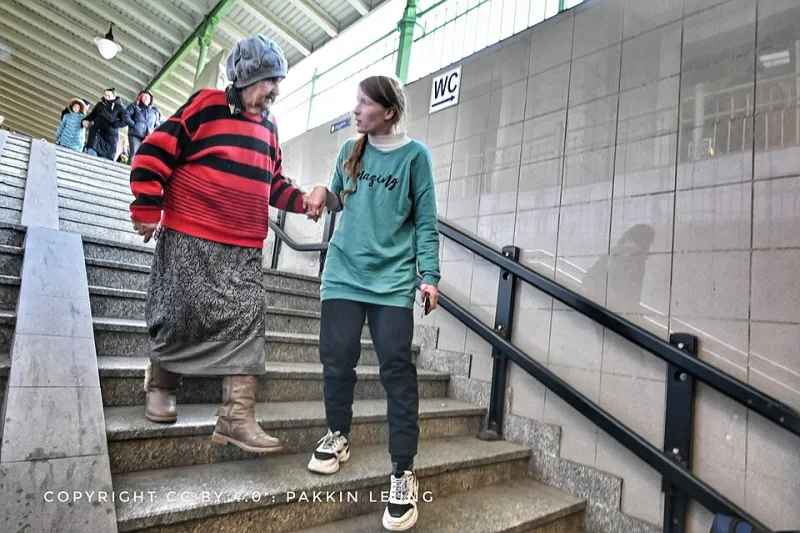
The tasks are almost comically small. A bilingual parent records a two-minute voice memo translating the weekly newsletter into Spanish. A retired grandmother stuffs 30 take-home book bags once a month. A dad who works nights reviews the PTA's social media posts from his phone at 11 p.m. None of these jobs could fill a resume. Together, they keep programs alive that would otherwise collapse.
What It Looks Like in Practice
Schools that have adopted the model tend to follow a few predictable moves:
Break every job into ten-minute pieces. A "newsletter chair" becomes a rotation of parents who each write one short blurb per semester. A "fundraiser coordinator" becomes a sign-up sheet of people who each make five phone calls.
Make it remote-friendly by default. Translation, graphic design, proofreading, data entry, thank-you notes — a huge share of school tasks can be done from a phone in a parking lot during pickup.
Publish a standing menu. Instead of begging at every meeting, schools keep a live list of micro-tasks — like a restaurant menu — that parents can grab whenever they have a spare moment.
Say thank you fast and specifically. A two-line text — "Your translation went home with 400 kids today, thank you" — turns a one-time helper into a repeat one.
Why Smaller Asks Actually Get Bigger Results
There's a counterintuitive thing happening here. Schools that lower the bar often end up with more total volunteer hours, not fewer. The reason is simple: the pool of people willing to give ten minutes is enormous. The pool willing to give ten hours a month was always tiny.
It also changes who gets asked. Micro-volunteering naturally pulls in shift workers, single parents, caregivers of younger siblings, and parents with disabilities — people who were structurally excluded from the old model, not unwilling.
And there's a quieter benefit: kids see it. When a child watches their dad record a translation for the whole third grade, or their grandma fill book bags at the kitchen table, volunteering stops being something mysterious that other people do at school. It becomes just something their family does.
A Starter Kit for Your School
If you're a parent or educator who wants to try this, start small:
- Audit the asks. List every volunteer job at your school and mark which ones truly require in-person, scheduled help. You'll be surprised how short that list is.
- Create the menu. Ten to fifteen micro-tasks, each with an honest time estimate. "Translate one newsletter (10 min)." "Stuff book bags (45 min, monthly)."
- Set up a simple system. A shared sign-up form or a group text thread beats a new app nobody will download.
- Report back. Tell families what their ten minutes added up to. "Your snack-packers filled 220 weekend bags this month" does more for retention than any award banquet.
The Bigger Idea
The old model of school volunteering asked parents to fit their lives around the school. Micro-volunteering asks the school to fit around parents' lives — and trusts that even the busiest people still want to help the village raise its kids.
Ten minutes doesn't sound like much. Multiply it by a few hundred families, and it sounds like a community that finally works for everybody.