Lights Out by Nine: The Quiet Movement Helping American Kids Get Their Zzz's Back
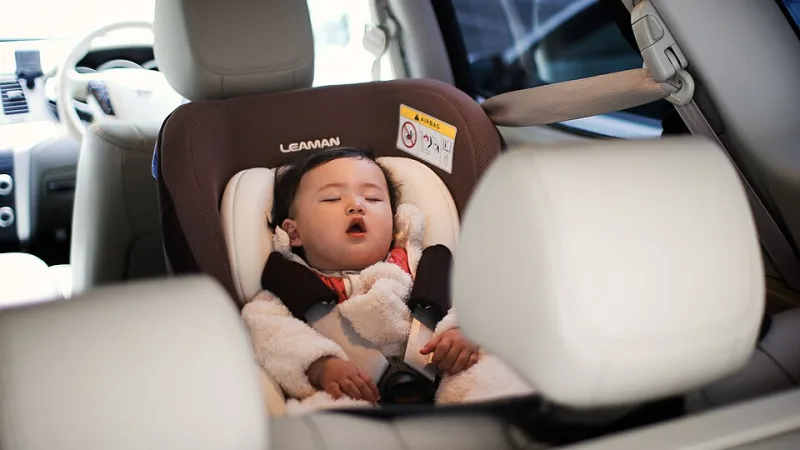
Photo: MIKI Yoshihito from Sapporo City,Hokkaido., JAPAN, CC BY 2.0, via Wikimedia Commons
Ask a room full of parents what their kids are falling behind on, and you'll hear about reading levels, math facts, soccer drills. What you rarely hear is the thing pediatricians say might matter more than any of it: sleep.
The numbers are hard to ignore. Studies out of Children's National Hospital and the CDC suggest that a third or more of elementary and middle schoolers regularly clock less than the recommended nine to twelve hours a night. For a nine-year-old, that's the difference between a brain that consolidates yesterday's math lesson and one that files it in the trash.
Where the Hours Go
Talk to families and a pattern emerges. It's rarely one big thing keeping kids up—it's the stack. A 7 p.m. Scout meeting bleeds into homework, which bleeds into a 'wind-down' YouTube video that turns out to be neither wind-down nor down.
'I kept thinking my son was just a night owl,' says Melissa R., a mom of two in Columbus, Ohio. 'Then I tracked it for a week. He was going to bed at ten and waking at six-thirty for the bus. That's not a night owl. That's a kid running on fumes.'
Teachers see the other end of it. An Ohio third-grade teacher we spoke with keeps a mental list of the kids who yawn through morning work. 'It's usually the same five or six,' she says. 'And they're not lazy. They're tired.'
Schools Rethinking the Schedule
A handful of districts are treating sleep like infrastructure instead of a luxury. Some, following the lead of the later-start movement that's already reshuffled high school bells in Seattle and Denver, are piloting later start times for middle schools too. Others are attacking the problem from the homework side: one California elementary now operates a 'ten-minute rule'—no assignment should take more than ten minutes per grade level, and if it does, parents are encouraged to write a note instead of forcing the battle.
A few schools have gone further, building 'no-homework weekends' into the calendar and adding nap-friendly quiet corners in early grades. Early results are anecdotal but encouraging: fewer morning meltdowns, smoother transitions, teachers reporting sharper attention by mid-morning.
What Parents Can Do Tonight
You don't need a district policy to make a dent. Pediatric sleep researchers keep pointing to a short list that actually works:
- Anchor the wake time, not just bedtime. A consistent morning alarm stabilizes the whole cycle.
- Park the screens outside the bedroom. Even a phone face-down across the room emits enough of a pull to delay sleep.
- Declare a homework curfew. If it's not done by 8:30, it goes in the folder unfinished. Yes, really.
- Protect the buffer. Twenty minutes of dim light and a book beats a last-minute scramble through the spelling list.
The hardest part isn't the tactics—it's the guilt. Many parents worry that easing up on evening academics means falling behind the neighbors. But the research flips that logic: a rested kid absorbs more in six focused school hours than an exhausted one does in eight plus two hours of worksheets.
At Kodomo Project, we keep coming back to a simple idea: childhood isn't a productivity contest, and neither is parenting. Sometimes the most ambitious thing you can do for a child is turn off the lights—on time, every time.