Who's Cleaning the Classroom? 9 Japanese School Habits That Quietly Build Responsible Kids
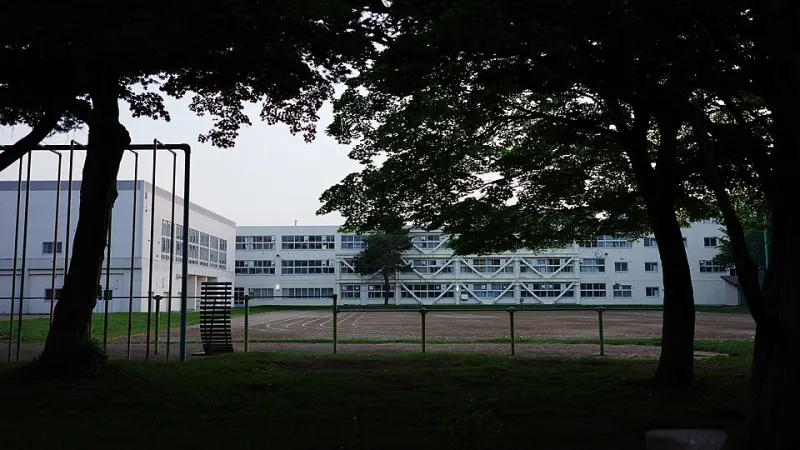
Photo: MIKI Yoshihito, CC BY 2.0, via Wikimedia Commons
There's a moment that surprises almost every American who visits a Japanese elementary school: at the end of the day, the students grab brooms, rags, and buckets and clean the building themselves. No custodial staff sweeping around their feet. No waiting for adults. Just kids, cheerfully (mostly) wiping down desks and hallway floors.
It looks charming from the outside, but it's not a gimmick. It's one of several daily routines in Japanese schools designed to make children practice responsibility, service, and community membership — every single day, not just during a character-education assembly.
American educators have started paying attention. Here are nine habits worth stealing, plus a few honest notes on what doesn't survive the transpacific trip.
1. Students Clean Their Own Spaces
The famous souji (cleaning) time lasts about 10–15 minutes daily. Kids rotate through zones — classroom, hallways, even bathrooms in older grades. The research-backed logic: children who maintain a space take ownership of it. US teachers who've adopted classroom job rotations and end-of-day reset routines report fewer messes and, more interestingly, fewer "not my problem" attitudes.
2. School Lunch Is a Serving Job, Not a Delivery
Kyushoku — school lunch — arrives in the classroom, and students take turns serving classmates in gloves and aprons, then everyone eats together with the teacher. Kids learn portioning, hygiene, and the quiet dignity of feeding others. Some American schools piloting classroom breakfast and lunch models have found similar effects: mealtime becomes social-emotional learning instead of a chaotic sprint.
3. Lunch Is Also a Curriculum
Japanese school lunch menus are posted and discussed — where the rice came from, what nutrients it provides. It's nutrition education embedded in a routine. A growing US "farm to school" movement echoes this, connecting cafeteria food to local farms and classroom lessons.
4. Walking Groups Instead of the Car Line
Most Japanese elementary students walk to school in mixed-age groups led by older kids. It builds independence, road sense, and peer mentorship. US "walking school buses" — organized group walks with rotating adult supervision fading over time — have popped up in cities like Chicago and Portland with encouraging results.
5. Greeting Time Is Everyone's Job
Morning greetings and the practice of aisatsu (greeting people warmly) are treated as skills, not niceties. Students greet teachers, visitors, and each other. Some US schools have made greeting rituals part of morning meetings — a small habit with outsized effects on school climate.
6. Class Duties Rotate Weekly
Every student holds a job: watering plants, leading the line, managing the class library, running the daily schedule. Nothing is permanent, so no one is labeled. Teachers in American classrooms who adopt rotating leadership roles often notice quieter students stepping forward once the roles stop going to the same kids.
7. All-School Events Are Student-Run
Sports day, chorus festivals, and school ceremonies in Japan are largely organized and executed by students, with teachers as consultants. The message: this is your school. American schools experimenting with student-led assemblies and conferences report a similar shift in buy-in.
8. The School Year Begins in April — With Community Building First
Japanese schools front-load relationship-building: class meetings, group goal-setting, establishing class rules together. US teachers using similar first-weeks structures — where students co-author expectations — tend to spend less time on discipline later.
9. Small School, Big Family
Neighborhood Japanese schools are deeply local; kids attend with the same classmates for six years. That continuity is hard to replicate in the US school-choice landscape, but programs like looped classrooms (keeping the same teacher and class for two years) borrow its core benefit: deep, accountable relationships.
What Doesn't Translate
Honesty time. Some of this is harder to import than it looks.
- Cleaning time works partly because Japanese school culture is already homogeneous in expectations. In US classrooms, adopting souji without first building shared norms can feel punitive. Kids need to understand the why before they'll embrace a mop.
- Japan's system leans on collective pressure, which can have a shadow side — students who don't fit in can feel it sharply. American adaptations should preserve the community benefits without the conformity costs.
- Structural differences are real. US schools with big bus zones, security requirements, and liability concerns can't simply hand students more autonomy without thoughtful adult scaffolding.
The Underlying Principle
Strip away the specifics and one idea remains: Japanese schools treat children as contributors, not customers. Every routine — cleaning, serving, greeting, leading — is a daily rehearsal for being a responsible member of a community.
That's a lesson American classrooms can adapt anywhere, one broom at a time.